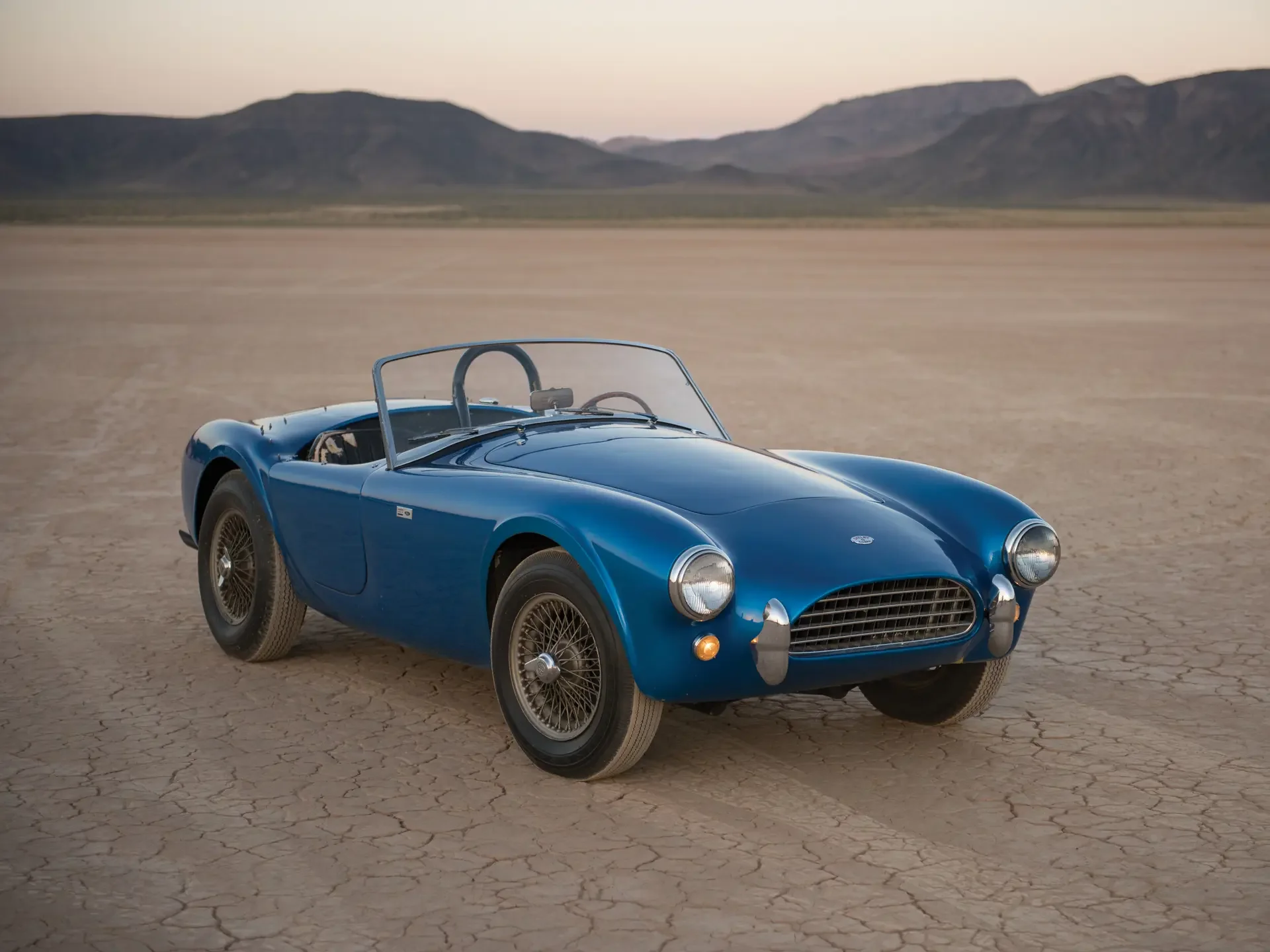
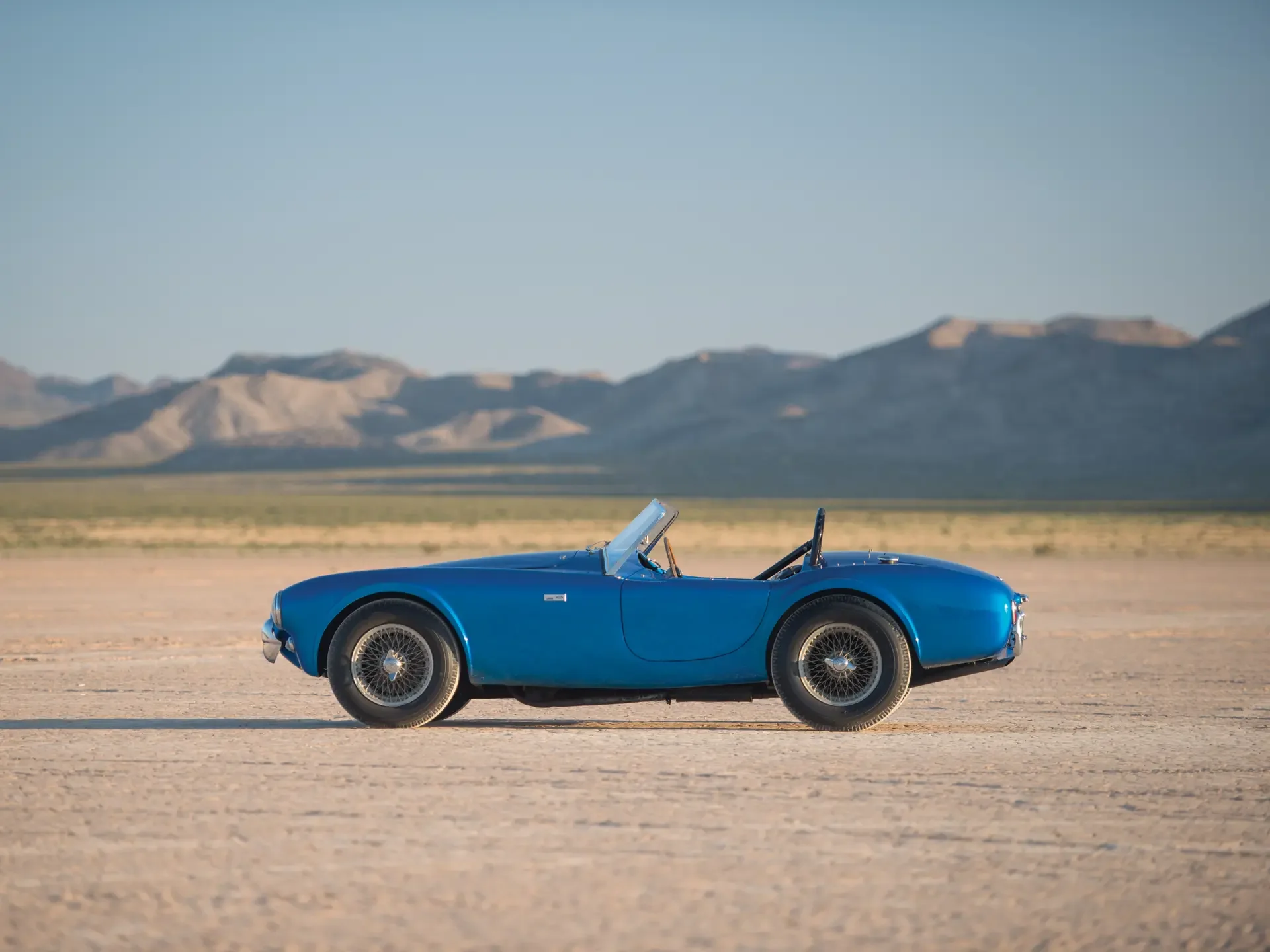
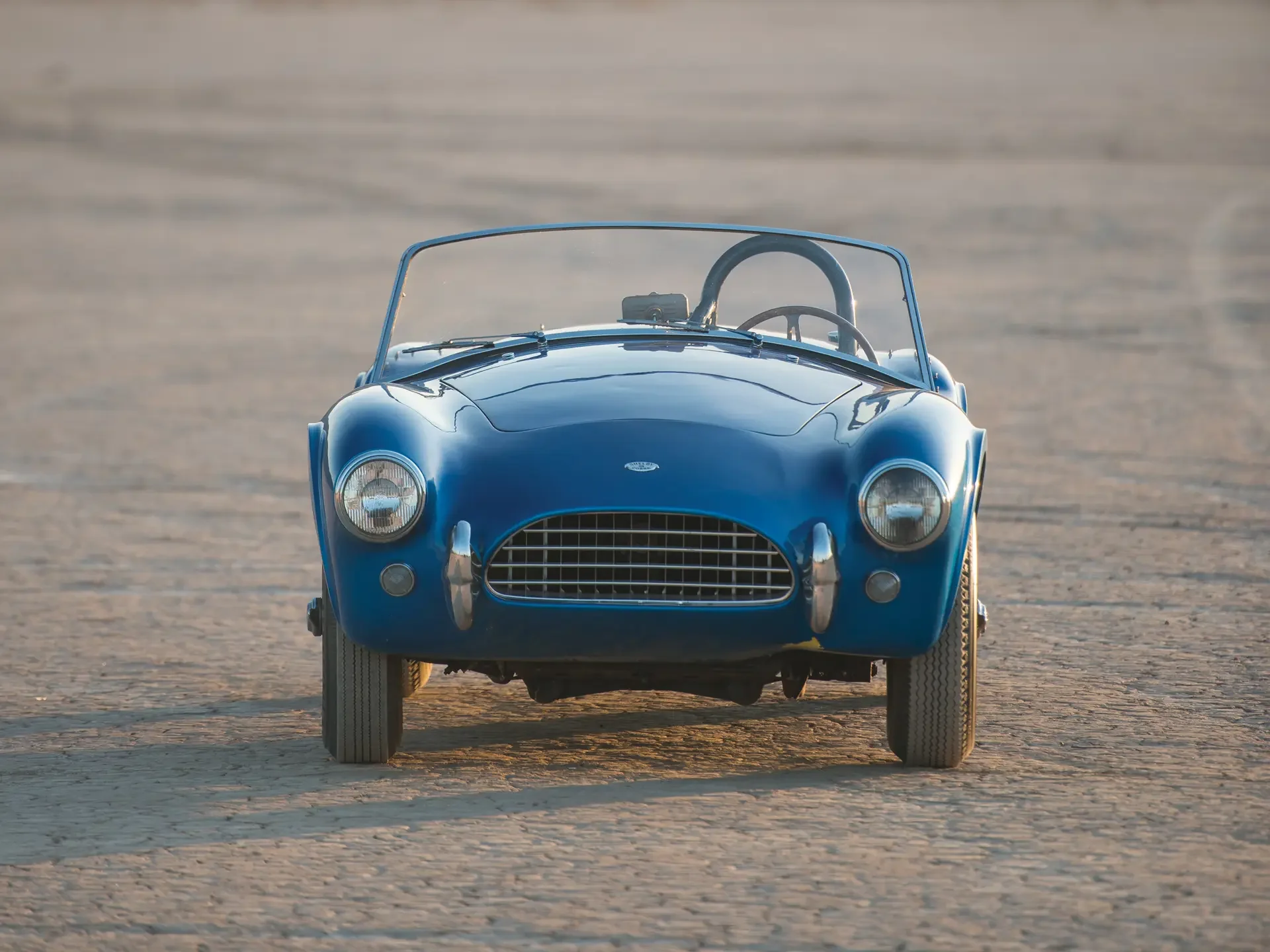
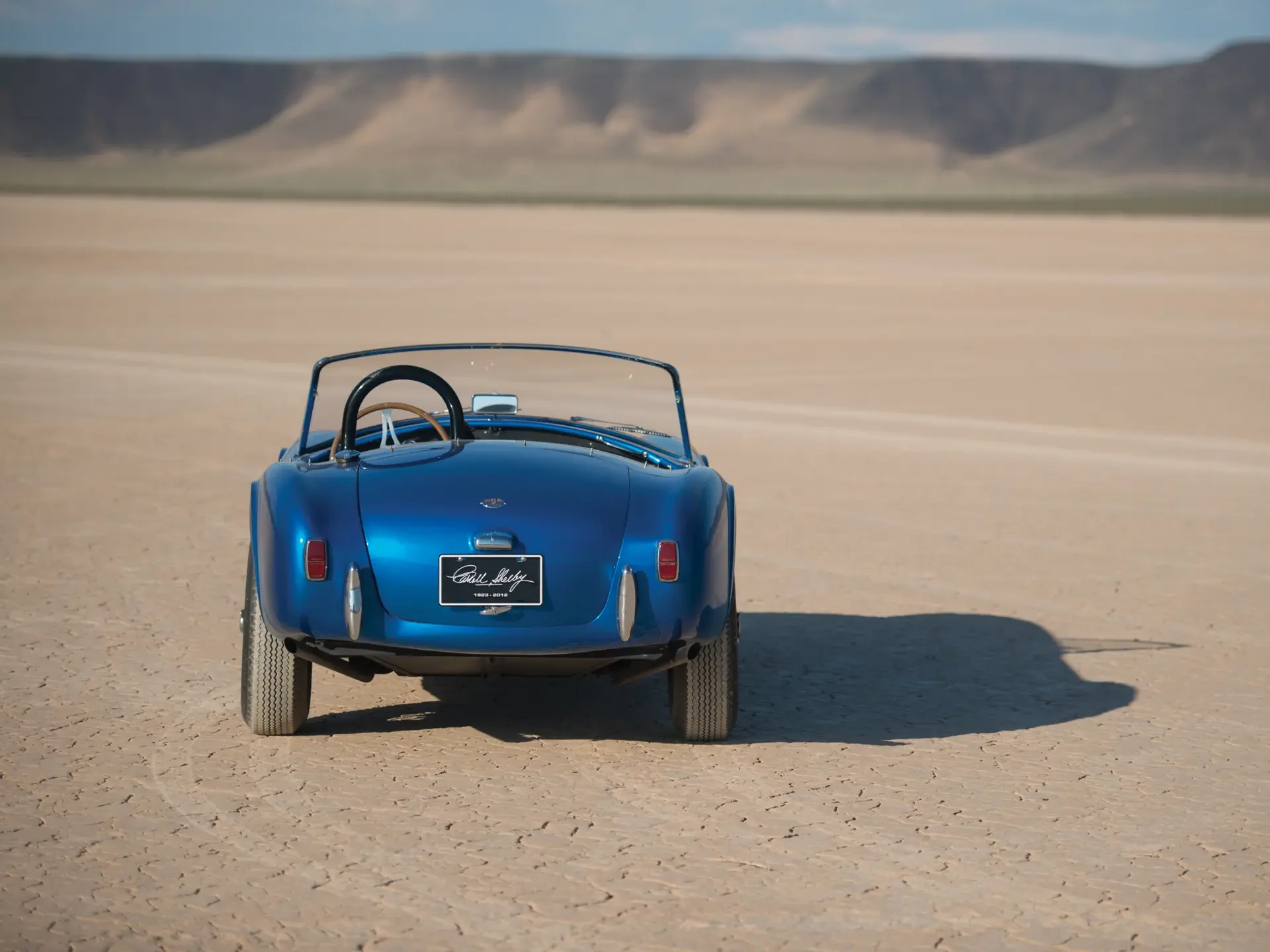
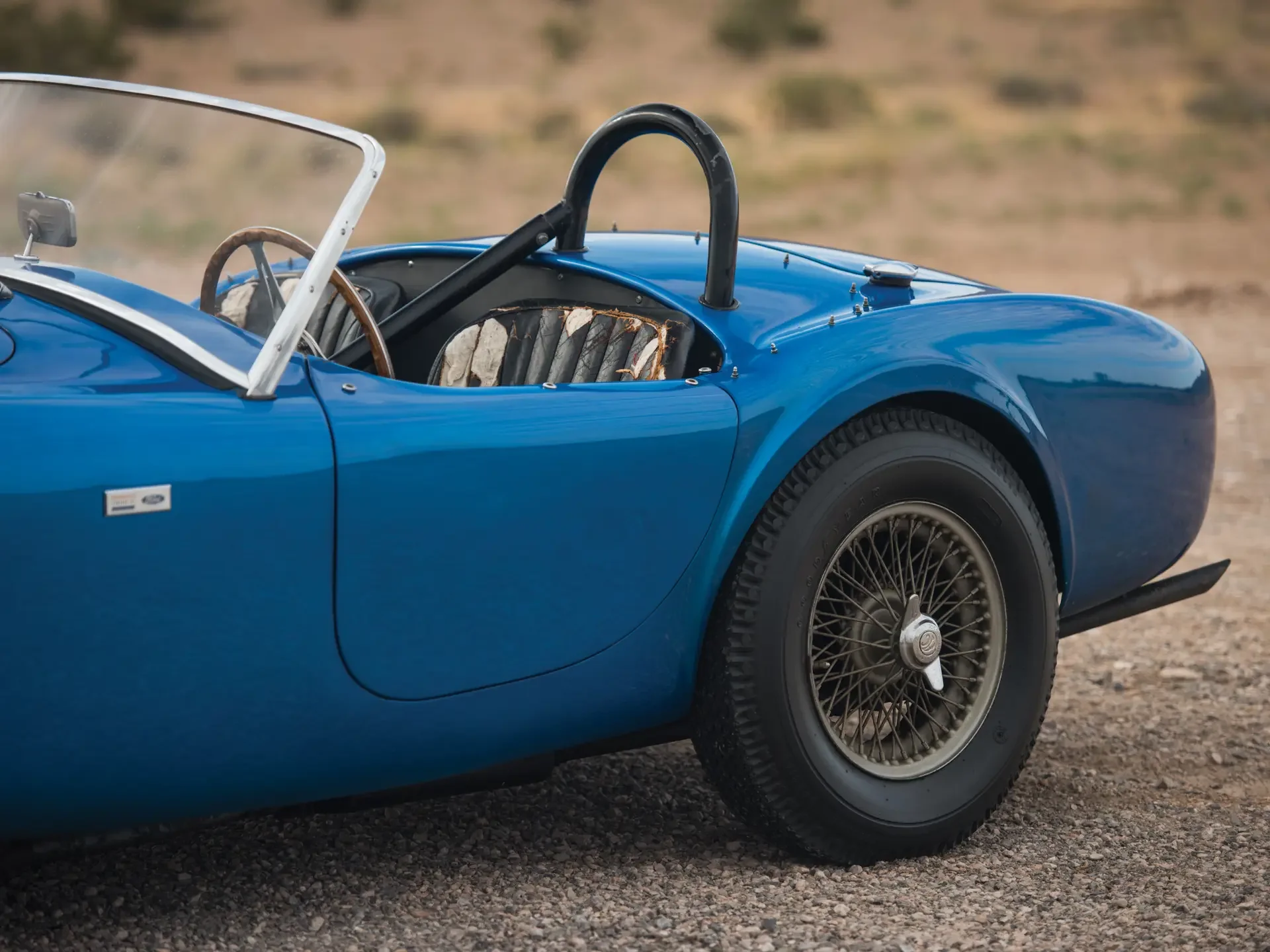
CSX2000 is the prototype Shelby Cobra, completed in February 1962 when Carroll Shelby and Dean Moon installed a Ford 260 cubic inch V8 into a motorless AC chassis at Moon’s Southern California shop. It is the only Cobra ever built by Shelby American with inboard rear disc brakes, and it remained in single ownership for over five decades, offered at auction from the Carroll Shelby Trust. CSX2000 sold at RM Sotheby’s Monterey 2016, Lot 117, for $13,750,000.
Fast facts
- The first Shelby Cobra ever built. Assembled at Dean Moon’s shop in Southern California in February 1962.
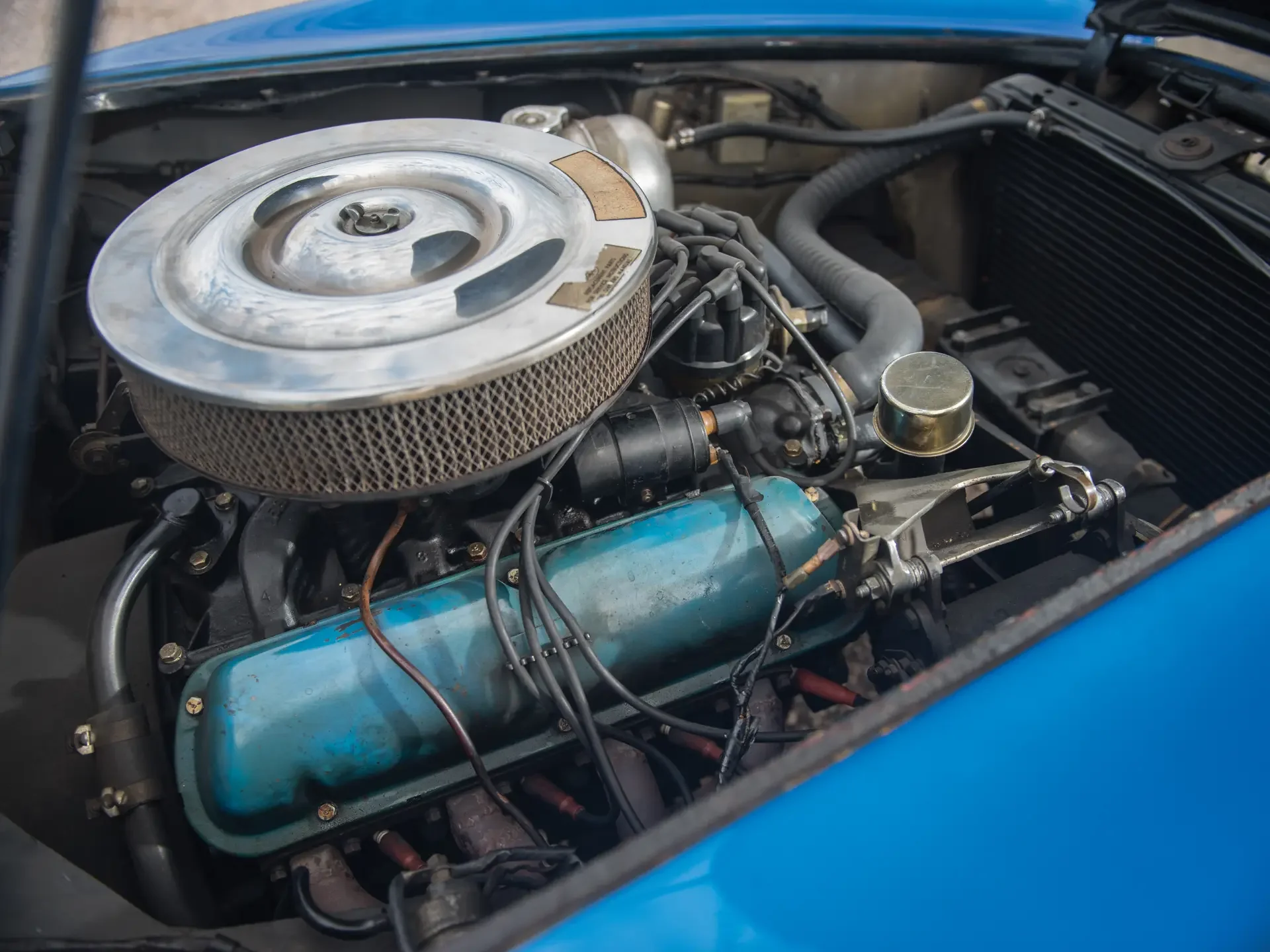
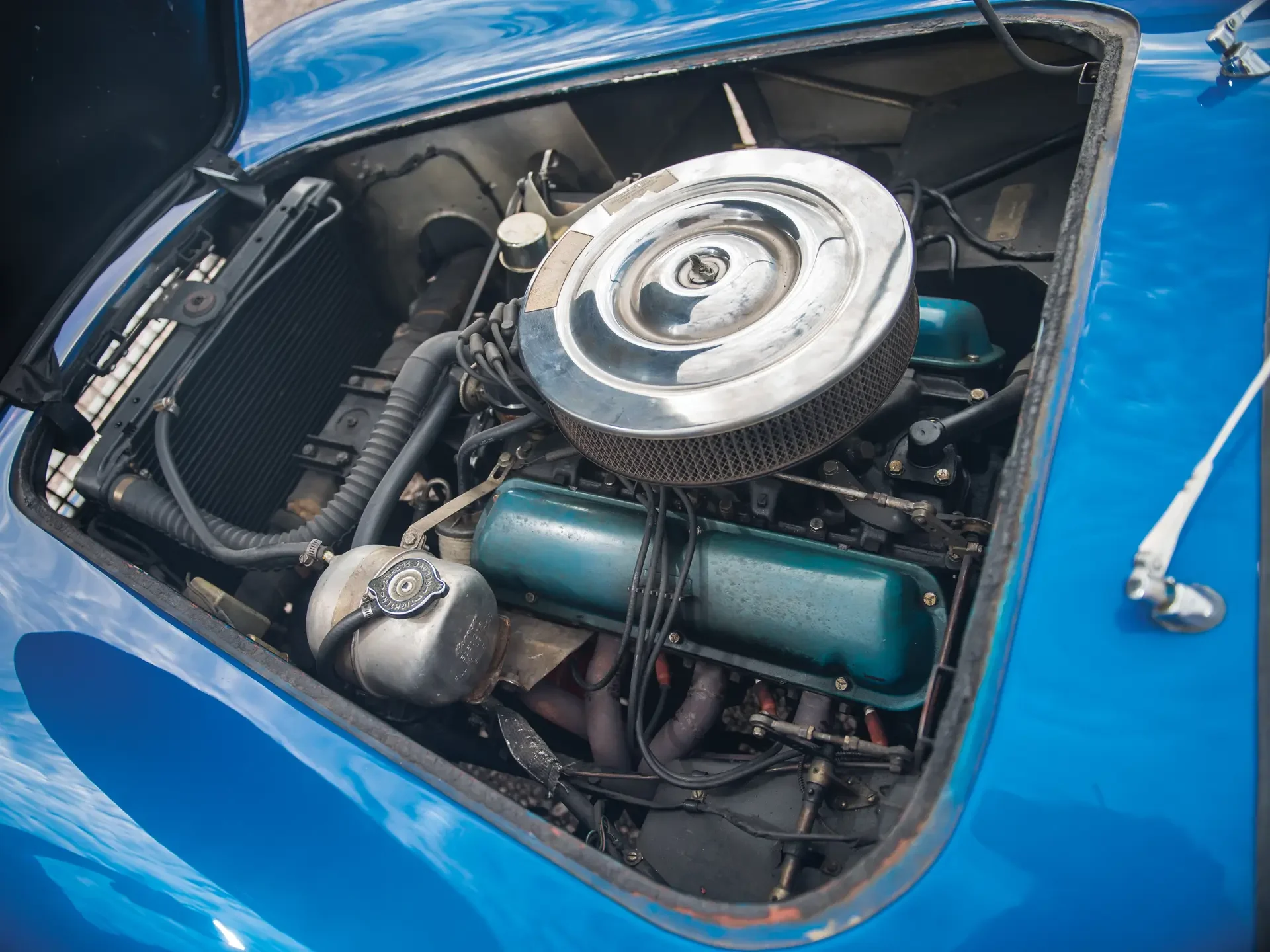
- Originally fitted with a Ford 260 cubic inch small-block V8, a single four-barrel carburetor, and a Ford four-speed manual transmission.
- The only Cobra Shelby American ever produced with inboard rear disc brakes. Front discs are conventional.
- First set of hand-built, welded tubular headers used on any Cobra.
- Repainted multiple times in 1962 to make Shelby American’s press fleet appear larger than one car. Bare polished aluminum, red, blue, then bright yellow for the New York Auto Show.
- Car Life recorded a 4.2-second 0 to 60 time in June 1962. Road & Track recorded a 153 mph top speed and a 13.8-second quarter mile at 112 mph for its September 1962 cover.
- Held in single ownership for over five decades. Offered at auction in 2016 from the Carroll Shelby Trust.
- Sold at RM Sotheby’s Monterey 2016, Lot 117, for $13,750,000.
History
The first Cobra chassis arrived in the United States in February 1962, shipped from AC Cars in England without an engine. Carroll Shelby and his colleague Dean Moon collected the car personally at Los Angeles International Airport and brought it to Moon’s shop, where they installed a Ford 260 cubic inch V8 and a Ford gearbox in a matter of hours. The two then took the finished car on a shakedown drive through the oil derricks behind Moon’s shop.
The car spent its first months as a working press demonstrator. With only one Cobra in existence, Shelby ran the same chassis past every motoring magazine in turn, painting it a new color between visits to make Shelby American’s product line appear larger than it was. The car was first scoured to bare aluminum with Brillo Pads for a Sports Car Graphic test drive when paint timing did not allow a finish coat. A stylized Shelby logo was painted on the hood and trunk lid, with a “Powered by Ford” badge added at the front. Red and blue schemes followed, and Dean Jefferies painted the car bright yellow for the 1962 New York Auto Show.
Period road tests built the Cobra’s performance reputation through this single chassis. Car Life ran a 4.2-second 0 to 60 time in June 1962. Road & Track took the same car for its September 1962 cover, recording a 153 mph top speed and a 13.8-second quarter mile at 112 mph. Coverage by Hot Rod, Cars, and an early Playboy advertisement followed, with the same chassis behind each photograph.
CSX2000’s parallel role during this period was funding. Before Ford Motor Company agreed to bankroll the first production run, the entire company rested on this prototype. Shelby’s pitch to Don Frey, Ford Division General Manager, happened against the backdrop of CSX2000 demonstrating what a Ford 260 V8 in an AC chassis could do. Several handshakes later, Ford was paying for the first batch of cars, and the program that produced approximately 1,000 cars over the next five years was underway. The wider history of AC Cars and the birth of the Shelby Cobra documents the British coachbuilding background that made the partnership possible.
After the press tour, CSX2000 went into storage for roughly a decade and was later used by the Carroll Shelby School of High Performance Driving. Motor Trend named it the most significant car of the past 50 years in 1999. The car appeared at the 2012 Monterey Historics, Pebble Beach Concours d’Elegance, and New York Auto Show that same year. It remained with Shelby and his Trust until the 2016 auction sale.
Sales history
- 2016: RM Sotheby’s Monterey, Lot 117. $13,750,000.
Authenticity and current configuration
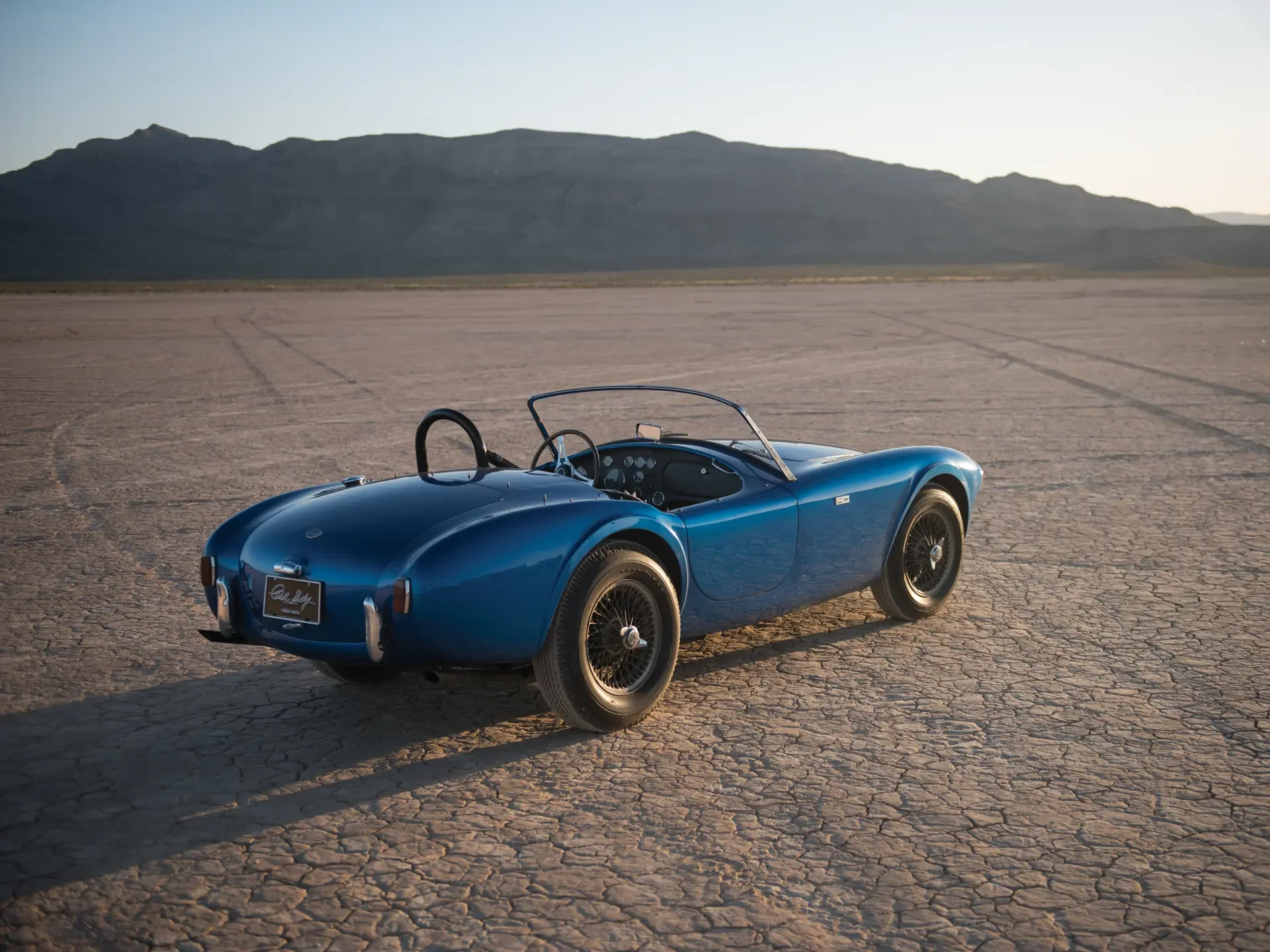
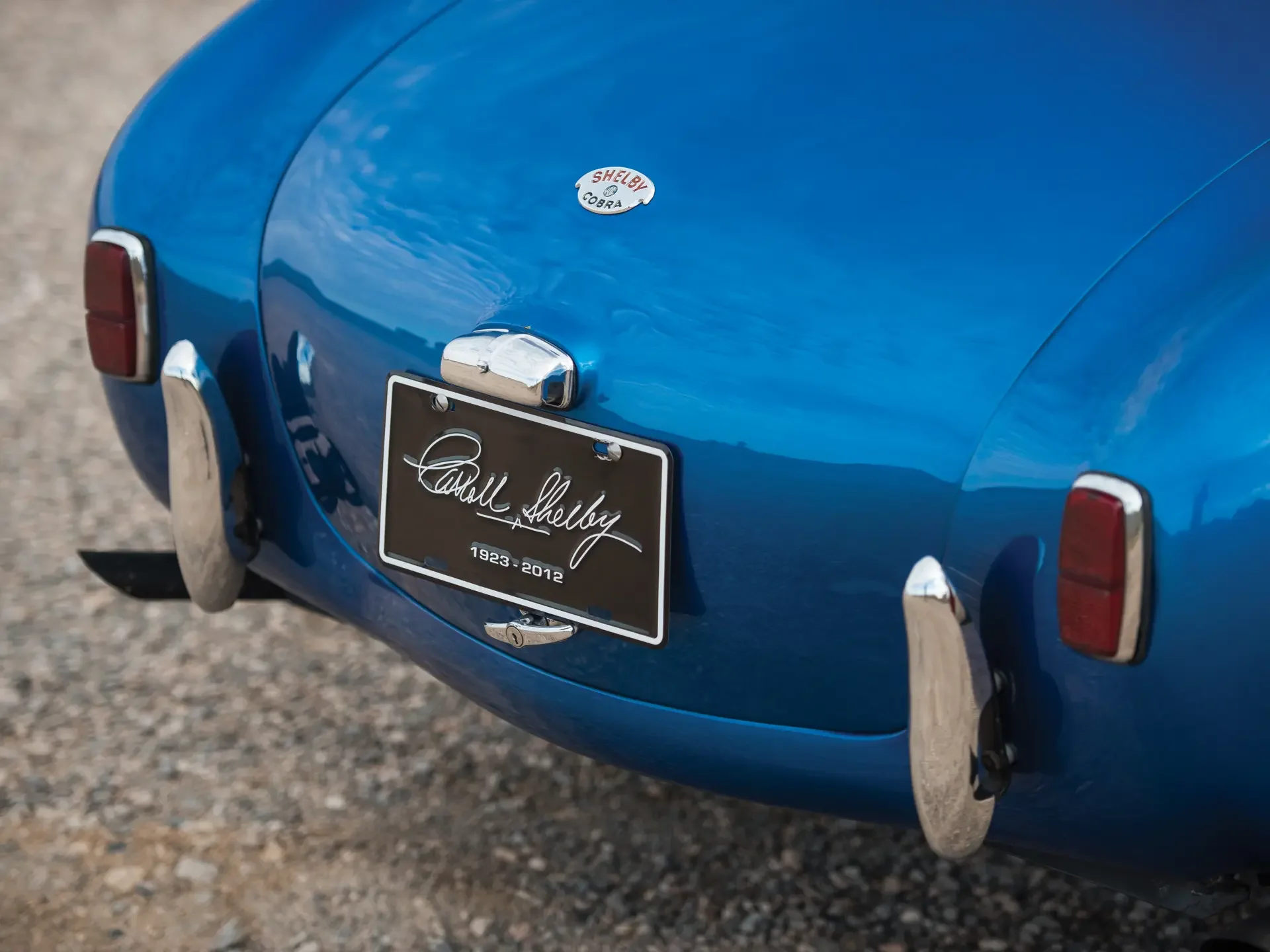
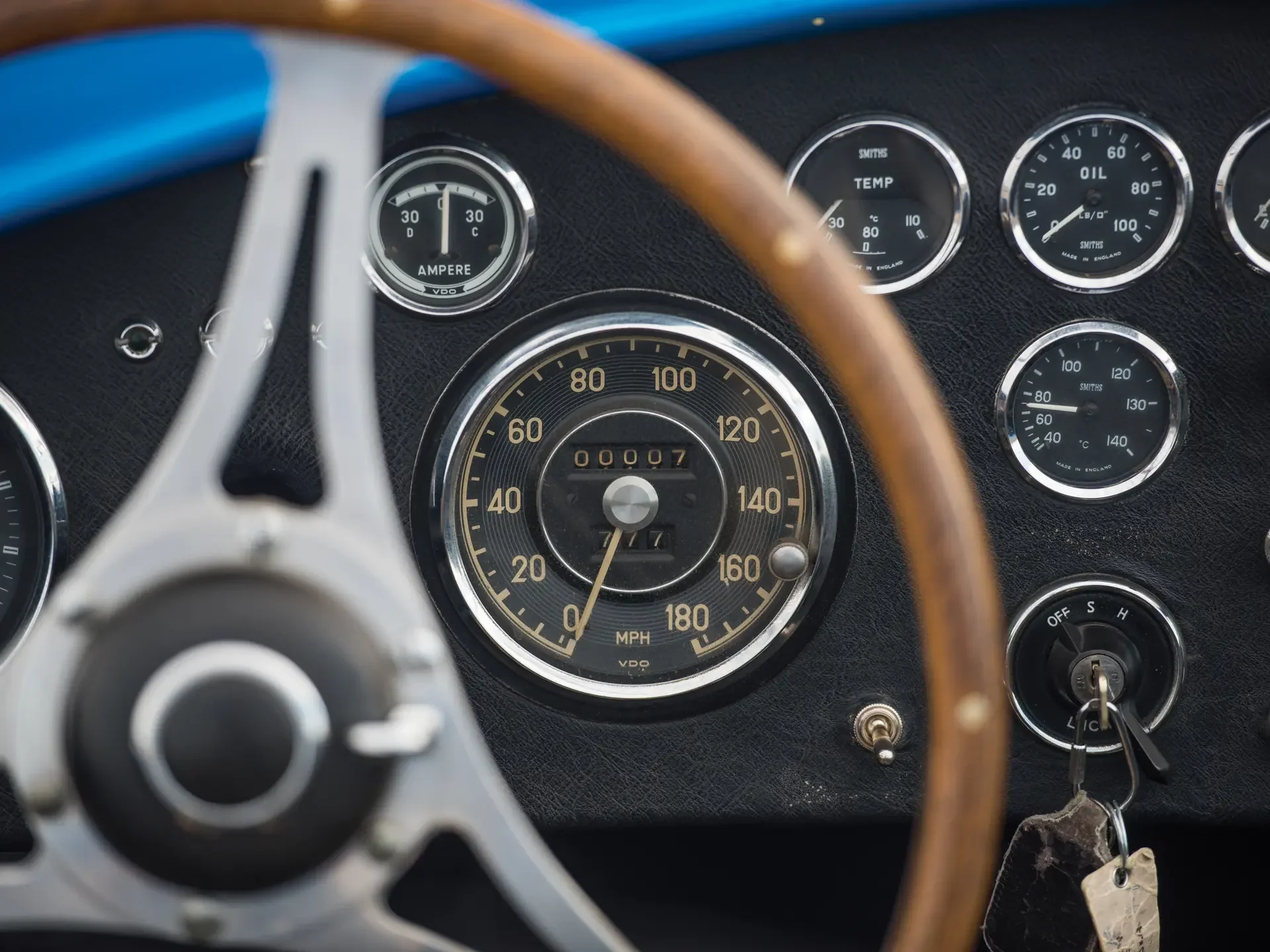
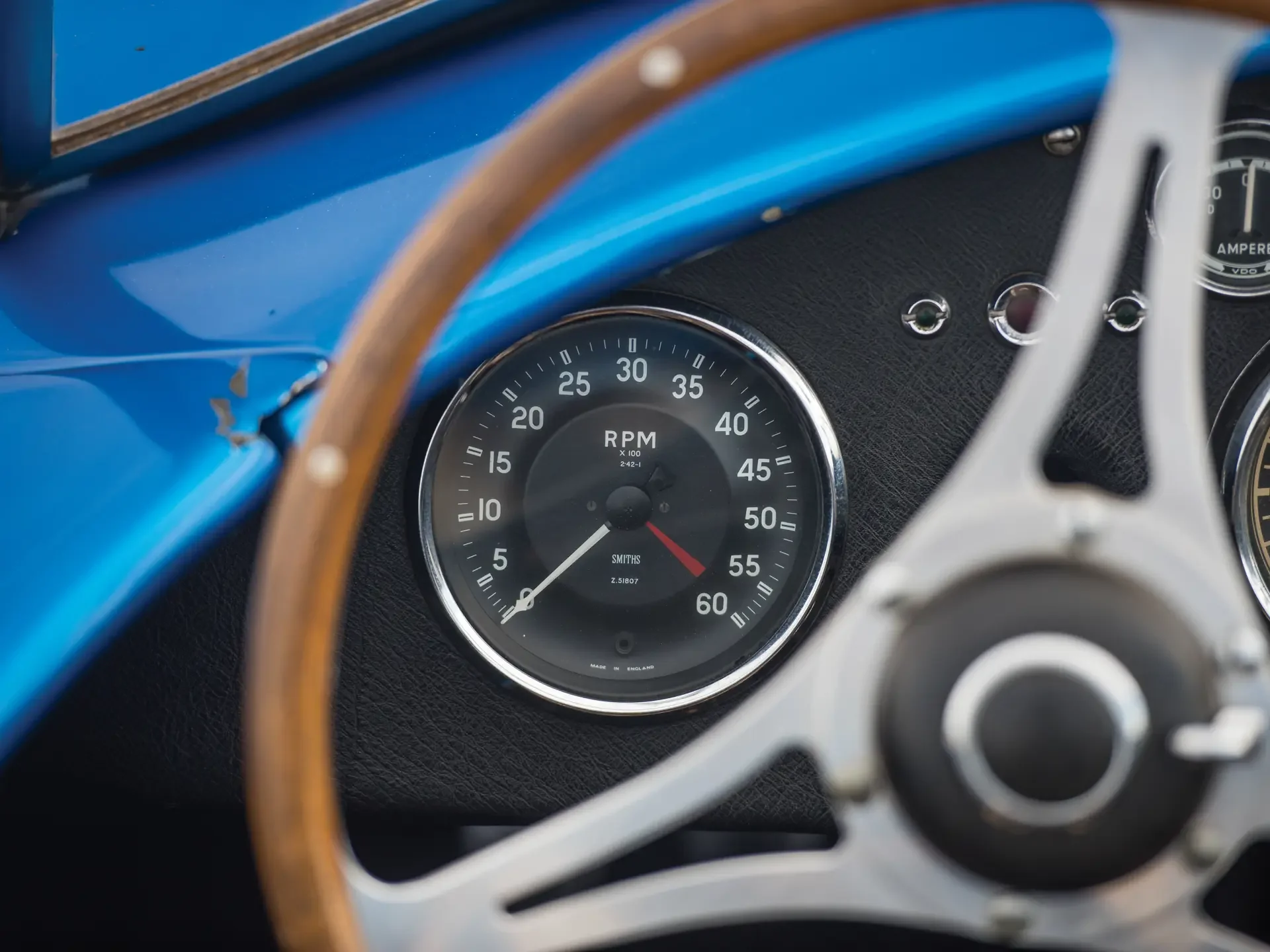
CSX2000 retains construction details unique to the prototype that did not carry over to production Cobras. The rear brakes are inboard discs, the only inboard rear disc configuration Shelby American ever fitted to a Cobra. The exhaust headers are the first set of hand-built, welded tubular headers the company produced. The radiator is the original AC-sourced unit. The trunk lid is longer than on production cars, and the trunk itself is upholstered.
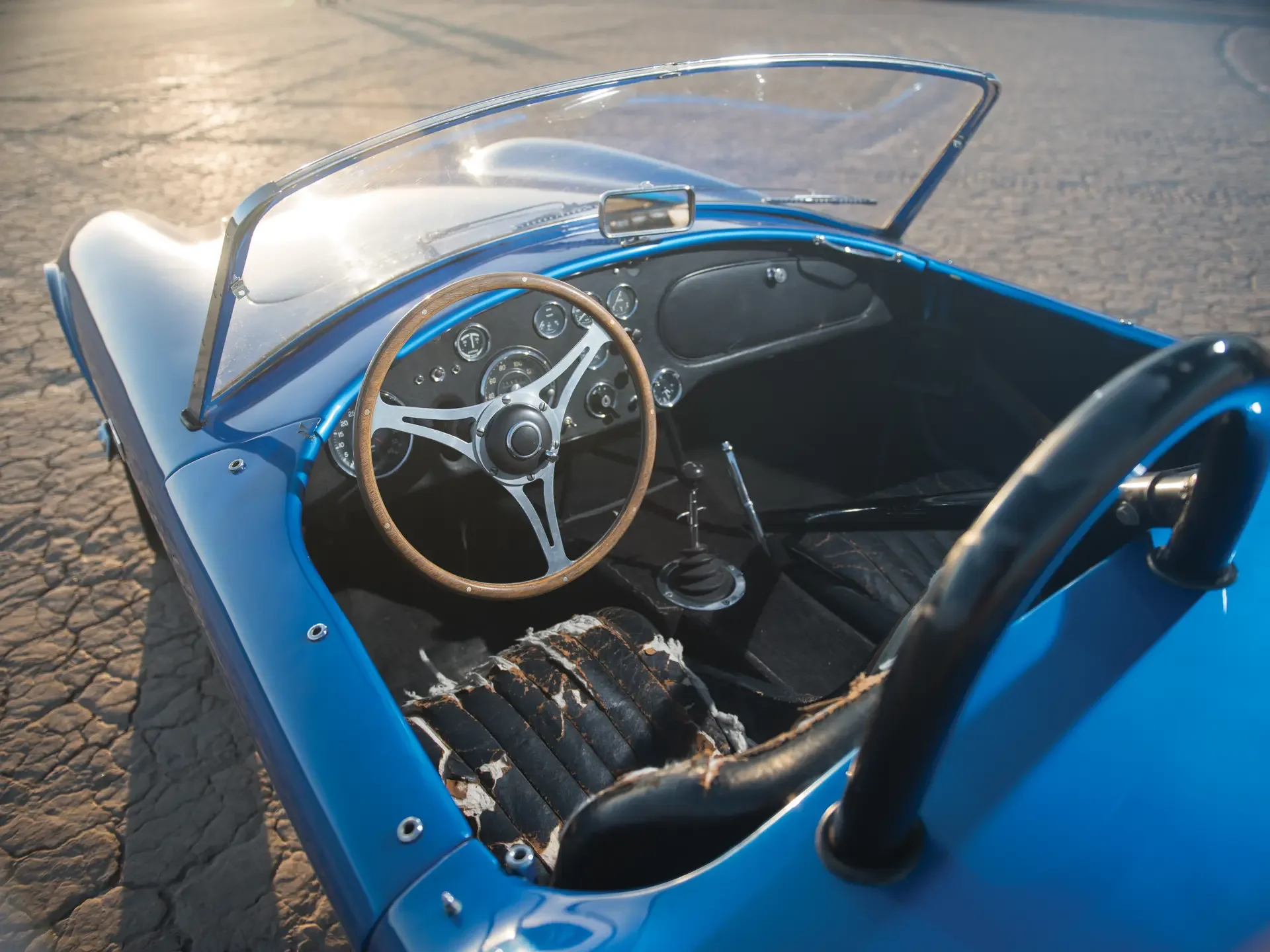
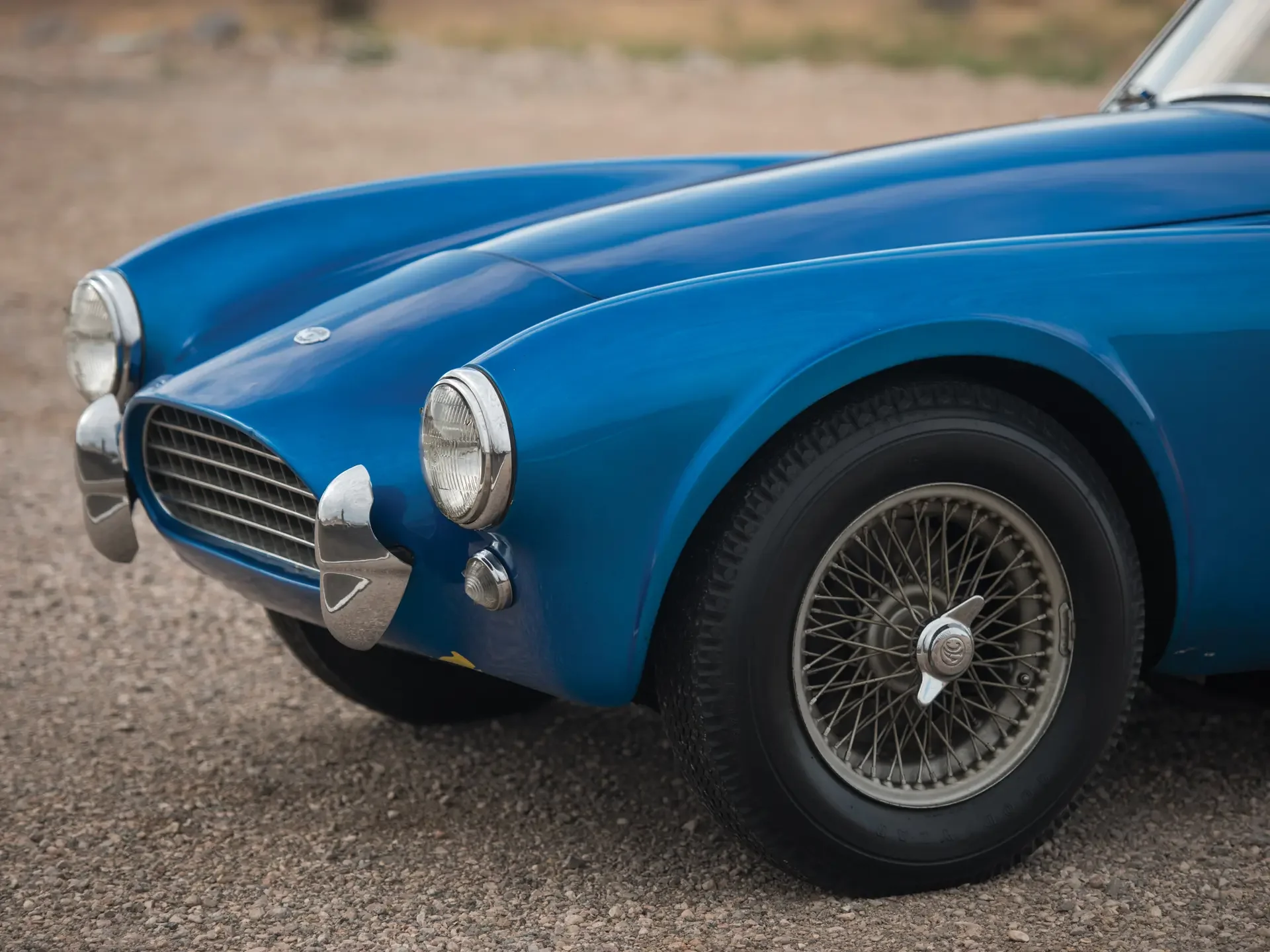
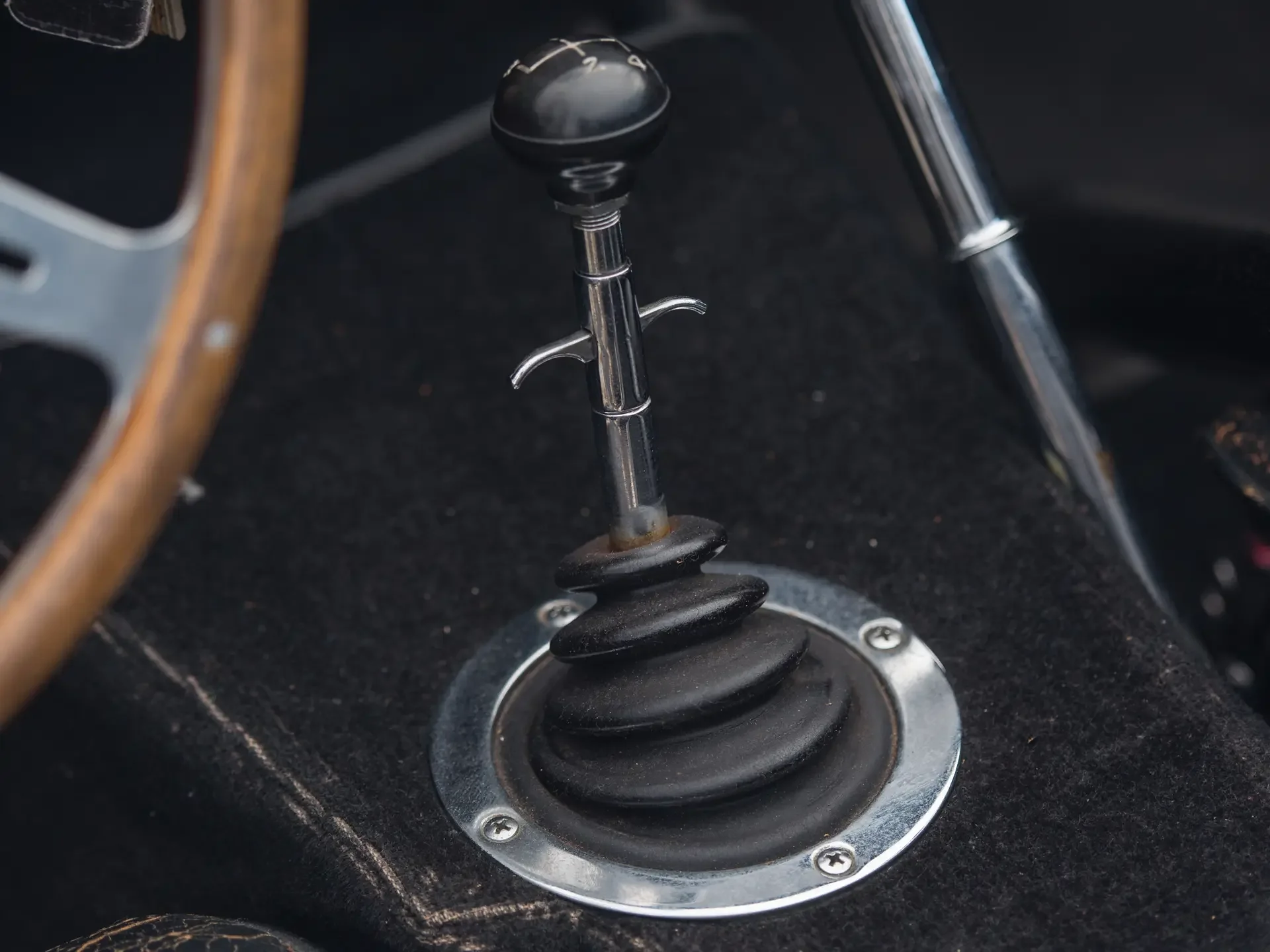
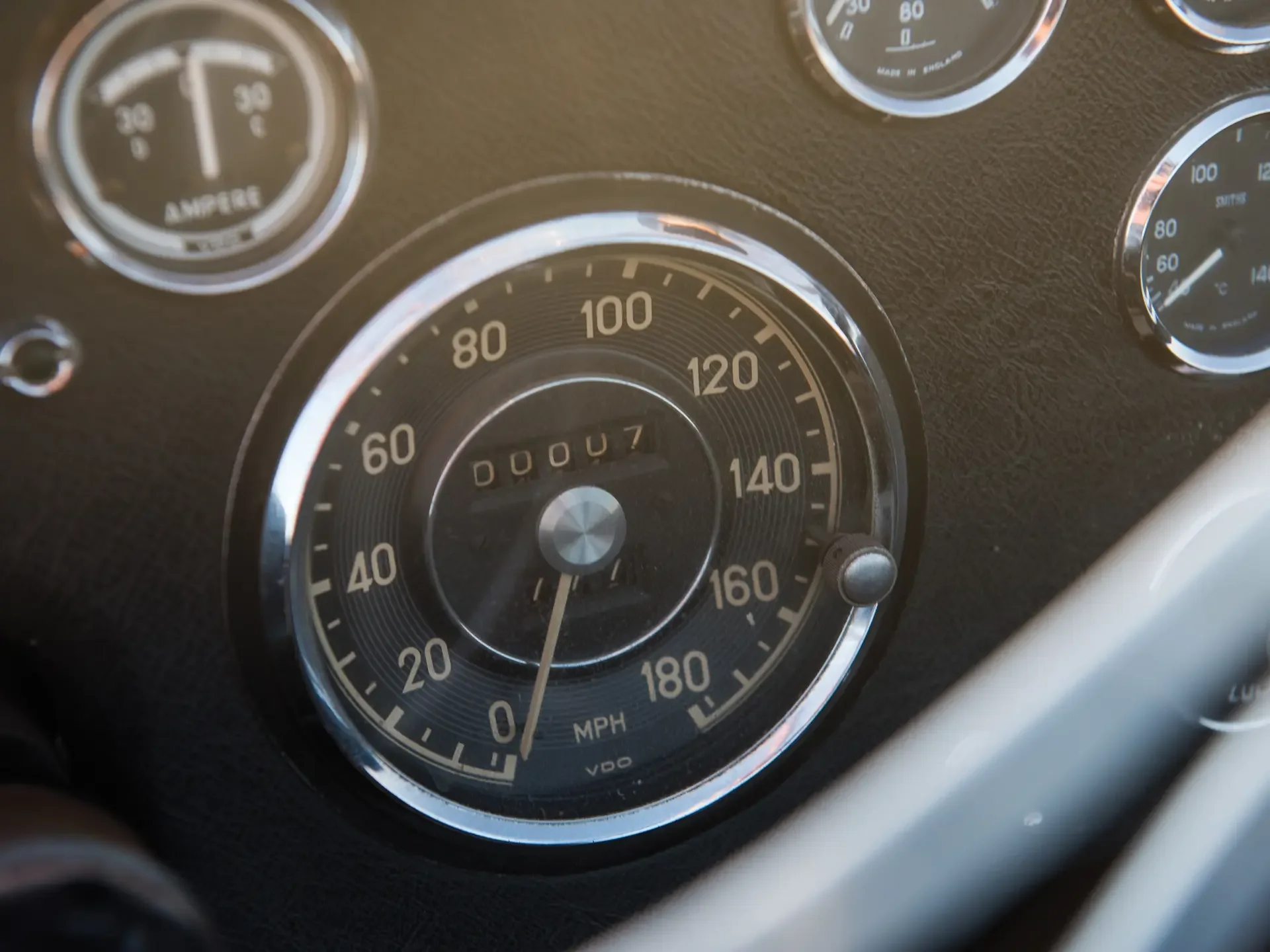
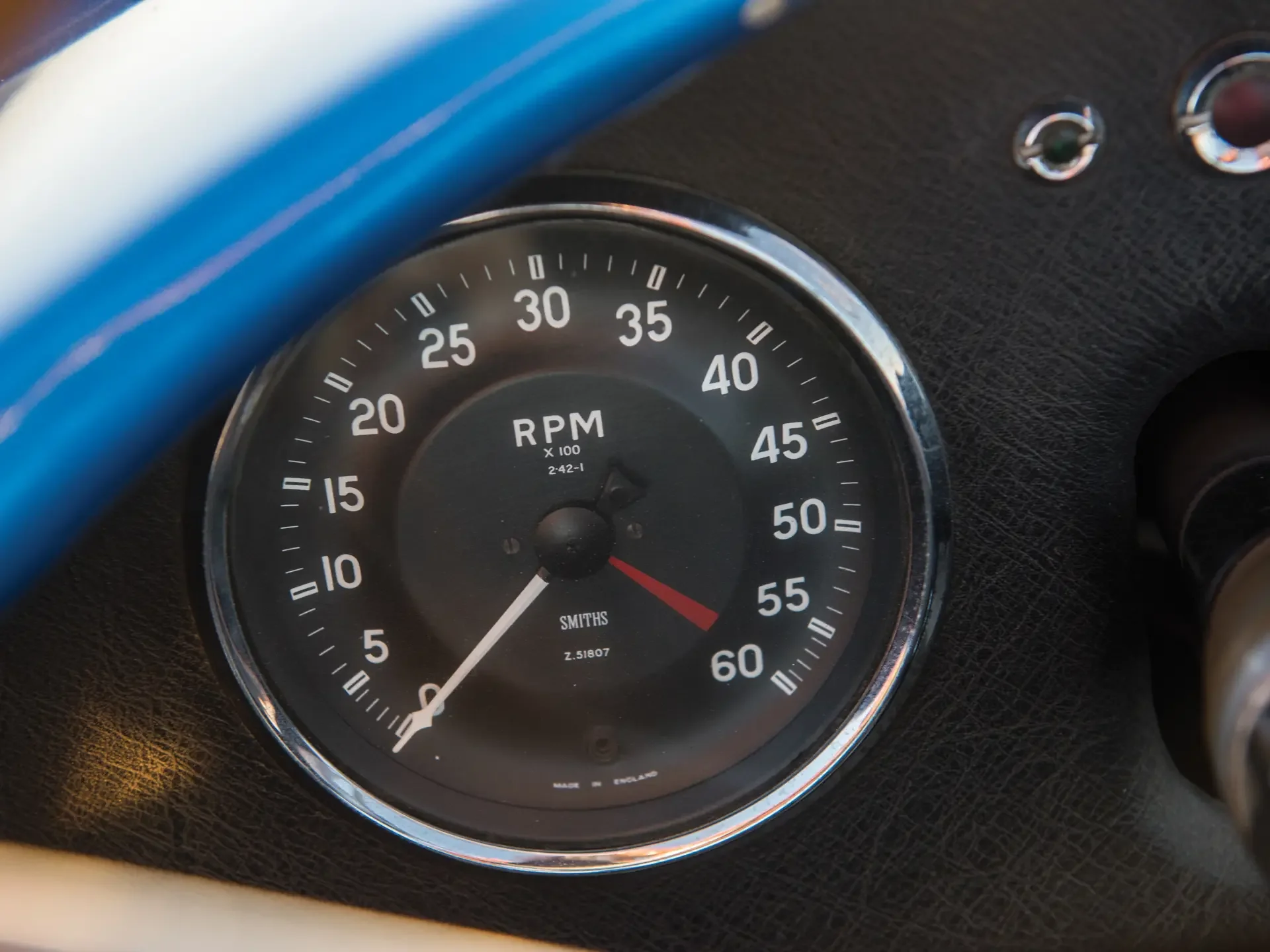
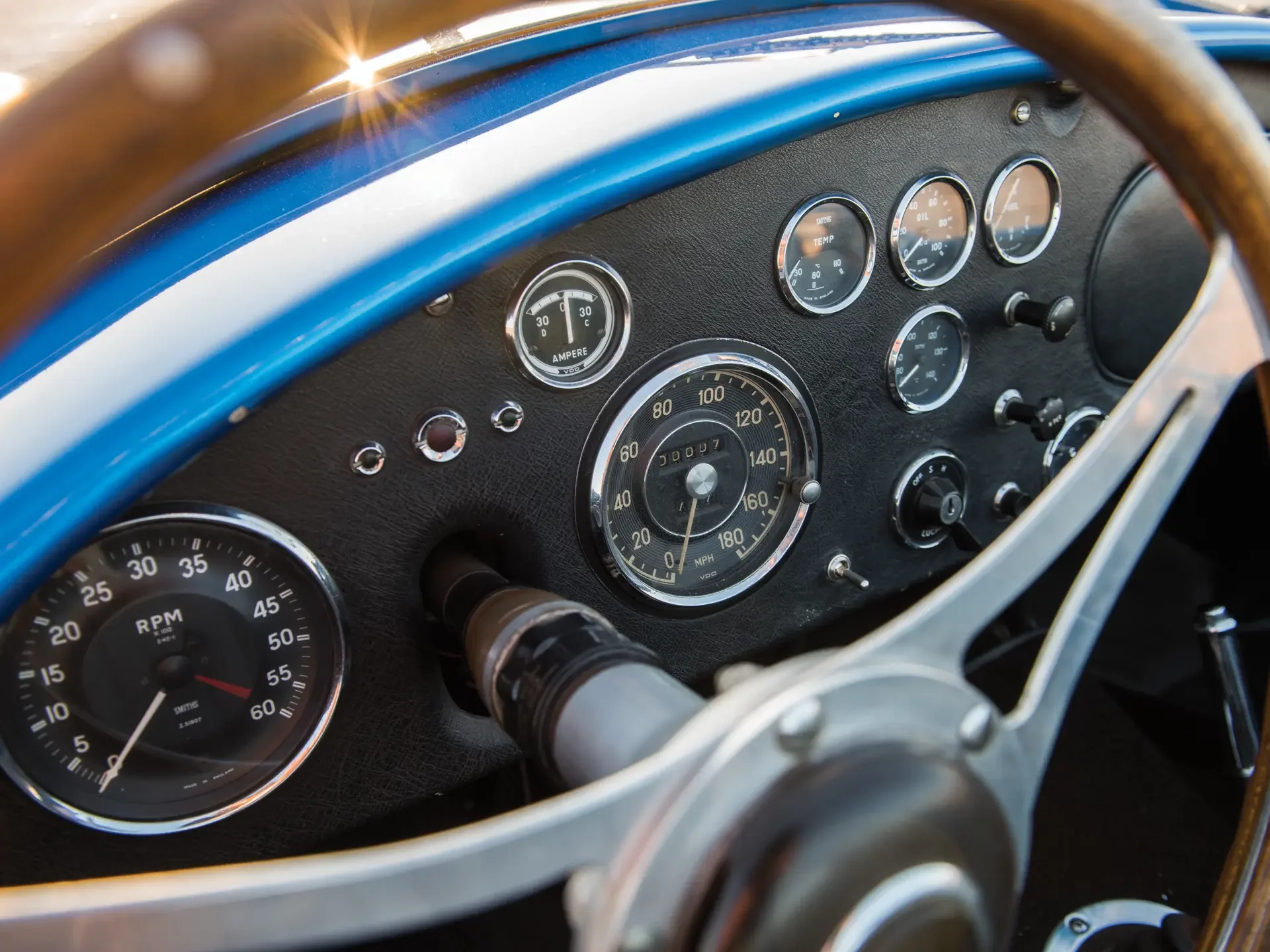
Several details mark the car’s AC Ace origins. The front and rear bumpers are Ace items, not the later Cobra style. The dashboard is the Ace dashboard. The hinges are flat, where production cars use a rounder profile. The gas filler is in a location unique to this car. Inside, the foot boxes are finished in black, and the bellhousing for the four-speed transmission is covered by a hand-made steel scatter shield.
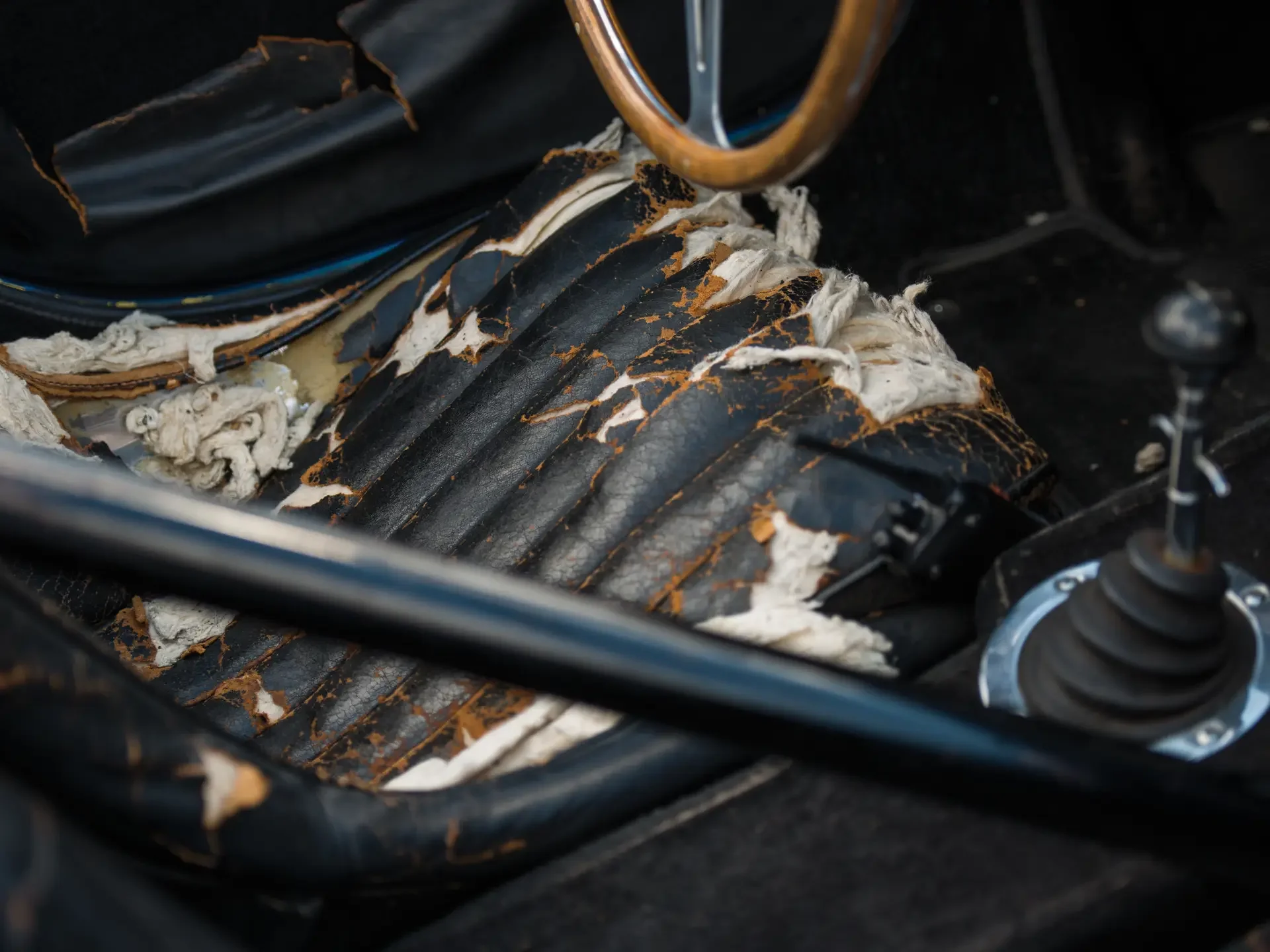
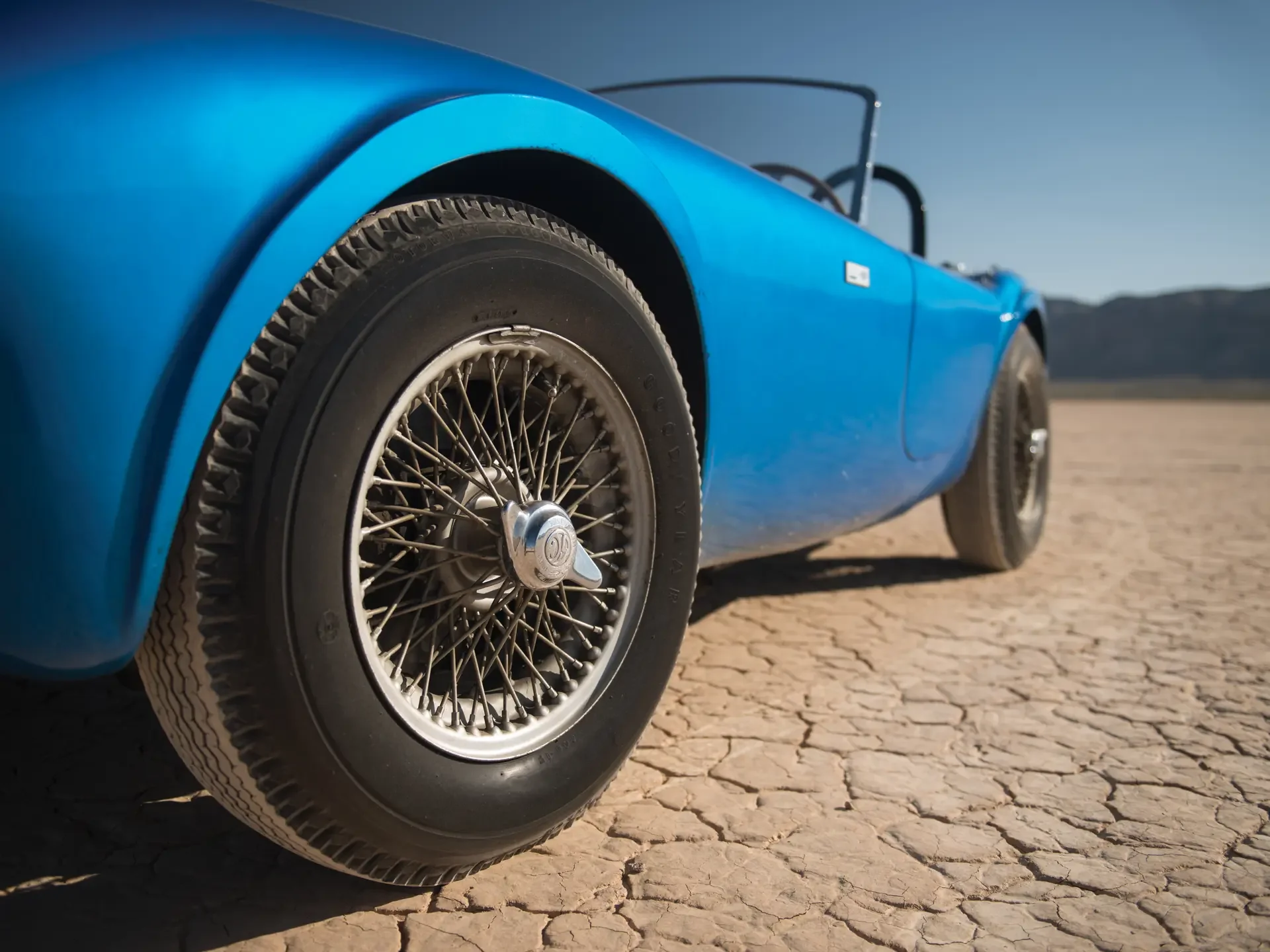
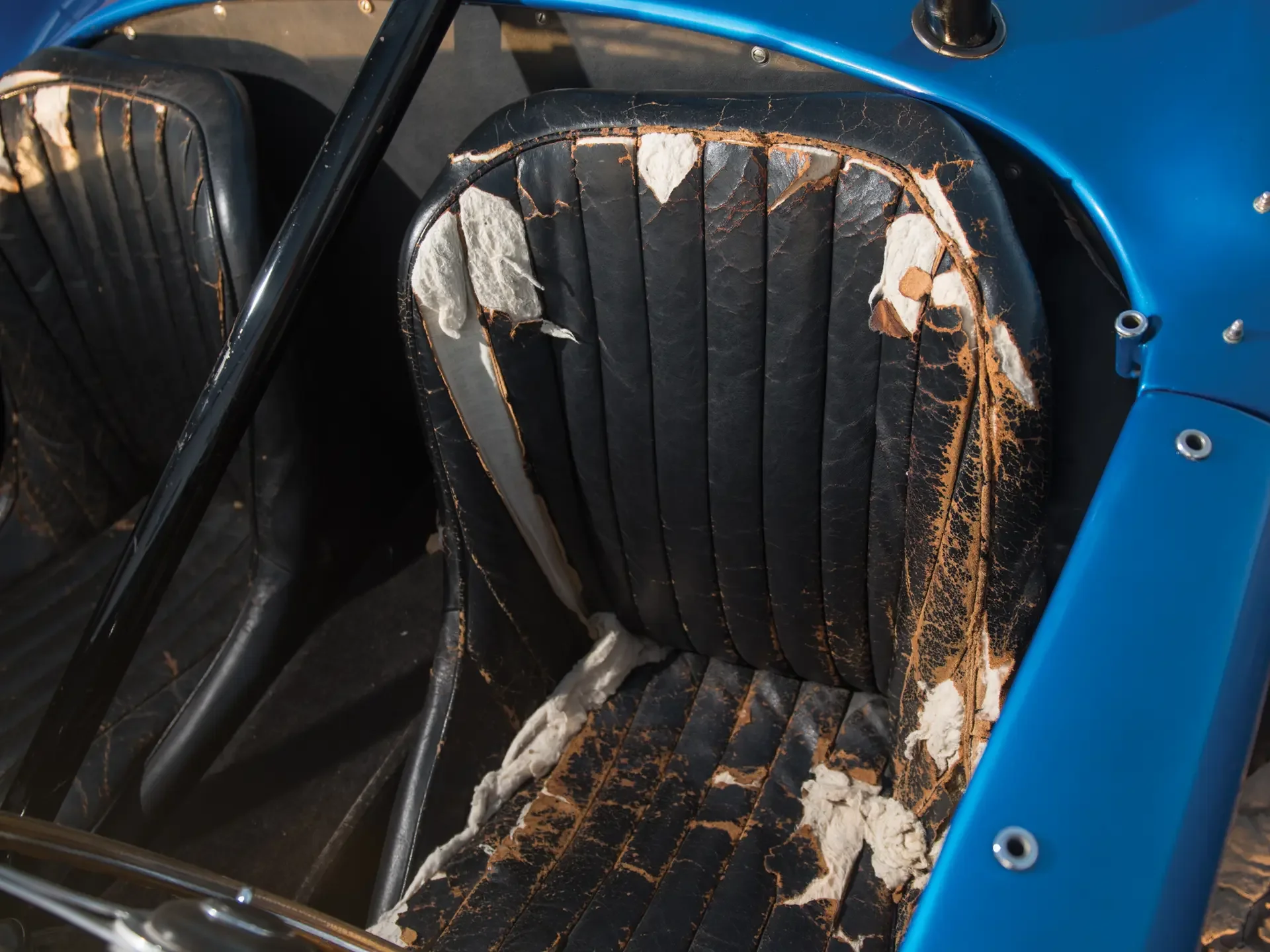
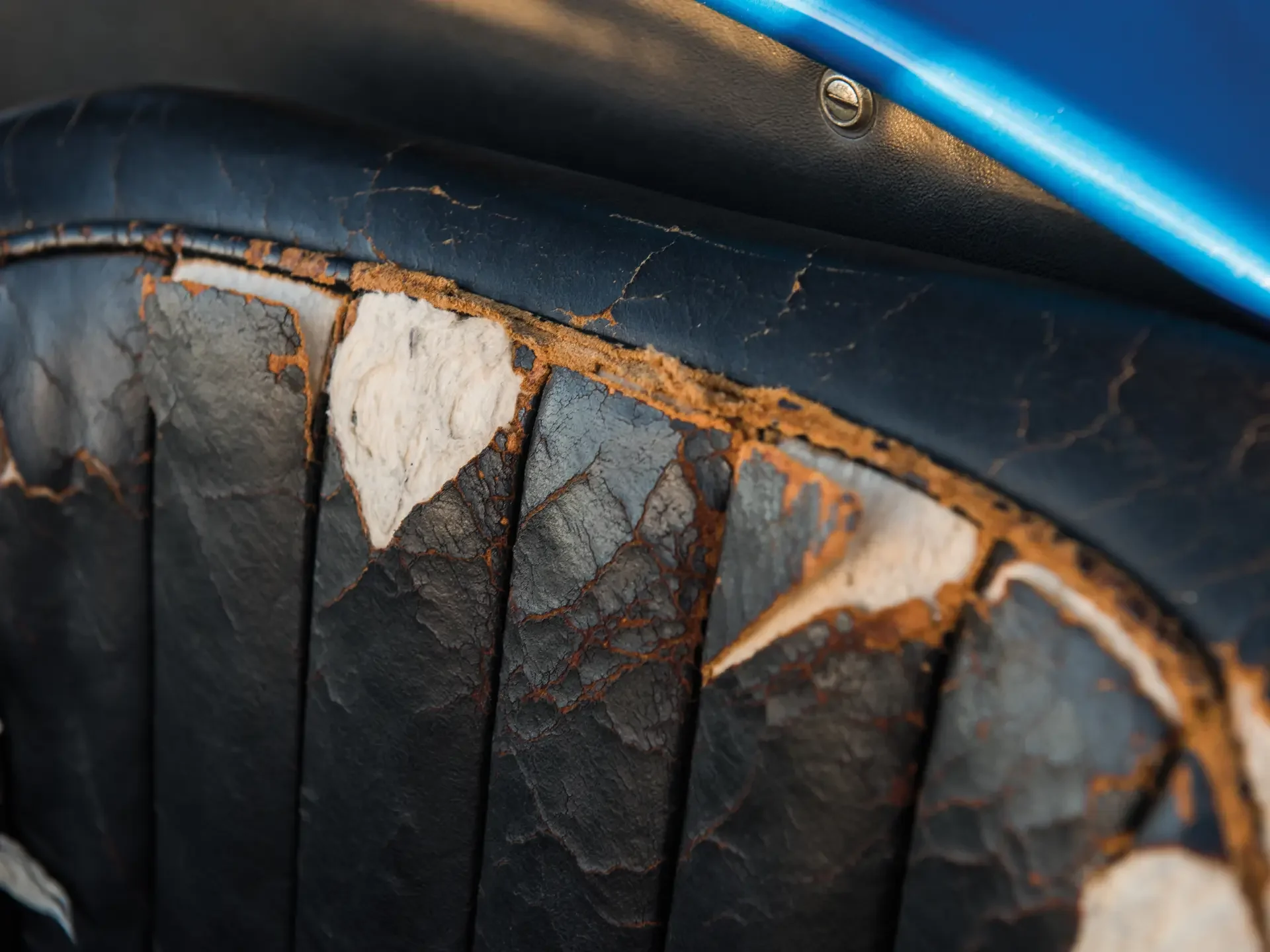
The upholstery is original, and the paint shows chips and wear consistent with the car’s press-tour service in 1962. Carroll Shelby, speaking to Motor Trend about the prototype’s deviation from the AC Ace platform, said: “we strengthened the chassis tubes, we had to put different spindles and hub carriers on it, we had to put a different rear-end in it … there were very few nuts and bolts in that car that were the very same nuts and bolts as in an A.C. Ace.”
CSX2000 was the only Cobra in existence for its first five months. Once Ford funding was in place, Shelby American began production of additional CSX-prefix cars in Venice, California. A documented car like CSX2208, a late-production 289 Cobra with rack-and-pinion steering, shows how far the mechanical specification had moved from the prototype within two years. Of the approximately 1,000 originals produced between 1962 and 1967, only 160 were the 427 big-block version. The Cobra Authority buyer’s guide covers the chassis-prefix conventions across the originals, continuations, and replica industry.
Catalog narrative and Carroll Shelby quote from RM Sotheby’s Monterey 2016, Lot 117 documentation. Images courtesy of RM Sotheby’s.
Last updated: May 20, 2026
Pete Engquist says
When I was young, my family had a large cottage on Lake Michigan in rural Montague, north of Muskegon that I spent all my summers. One summer, there was a car crash on the Old Channel Trail. The road had an incredible extremely difficult down run, much like Laguna Seca turn 8, that the state later made much safer. That summer, a roadster crashed trying to negotiate the turns at high speed. It was said to have been a “cobra sports car” at the time. I never saw the crash, but saw the results in the aftermath. Thecar May have been totaled. This would have been a csx2000 series in mid 60’s. Does anyone know this story?